Blog
Imbolc: Spiritual Meaning, Origins & History and Rituals
WHEEL OF THE YEAR
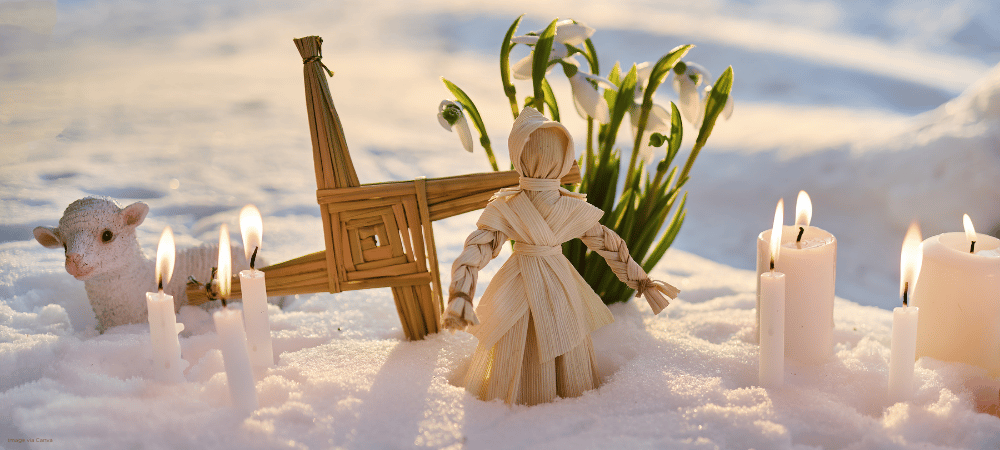
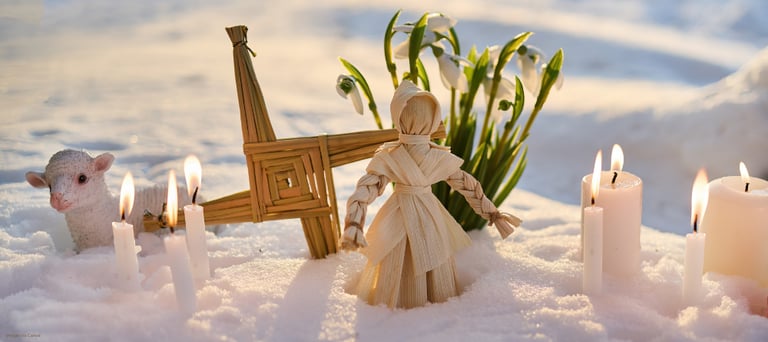
What is Imbolc?
Imbolc is an ancient pagan, pre-Christian Celtic festival, one of four cross-quarter days (along with Beltane, Lughnasadh, and Samhain) on the Wheel of the Year, marking the midpoint between the Winter Solstice (Yule) and the Spring Equinox (Ostara). Traditionally, Imbolc is celebrated on February 1-2 in honor of the promise of spring, the renewal of life, the growing light, and the turning of the wheel. It is also associated with fertility, purification, and rebirth.
by Emily Munroe • January 25, 2026
Imbolc Origins & History
Imbolc has deep roots, stretching back over 5,000 years to the Neolithic era, and while it may not have been called Imbolc at this time, there is evidence that shows this time of year held significance even then. An example of this is The Mound of the Hostages on the Hill of Tara in Ireland, which is a tomb that was constructed in such a way that its passage aligns with the rising sun at Imbolc and Samhain, illuminating the chamber.
Around 2,000 years ago in early Celtic times, Imbolc was centered around the pagan goddess Brigid (which is still very much true today!). Brigid is a goddess of inspiration, healing, wisdom, arts & crafts, protection, and fertility with associations to agriculture, smithing, poetry, fire and the hearth. Imbolc at this time was also linked to lambing season, and the pregnancy and lactation of ewes, with the word “Imbolc” being said to mean “in the belly” in Old Irish, referring to this time of gestation and fertility.
When Ireland was Christianized in the 5th century, Brigid the goddess was adopted as Saint Brigid, who is claimed by the Catholic Church to have been a real historical person, who was born in Ireland, founded a monastery in Kildare where she spent her entire life, and became Ireland’s first nun. Imbolc was then replaced with St. Brigid’s Day by the church, which is still widely celebrated today.
Modern Imbolc
Imbolc is still celebrated today by many witches, pagans, wiccans, and spiritualists. While it is still common to be traditionally observed on February 1-2, there are many who also carry out celebrations that are in alignment with the land where they live, given that this celebration is climate specific and there is geographical variance, many practitioners will work with the rhythms of the land where they are. So some may celebrate Imbolc at a different time rather than this traditional date to correspond it with a date more in alignment with the coming of spring, depending on when the land begins to show the subtle signs of life stirring beneath the surface. Some practitioners choose to hold celebrations and rituals throughout the entirety of the season. In our modern day, we see that spiritual celebrations of many are flexible and intuitive, sometimes held solitary or sometimes held in groups, and can be low-key or high-key. Many practitioners still follow traditional practices of old, and many incorporate newer modern practices. However you choose to celebrate is up to you.
Imbolc Folklore
The Cailleach & Brigid the Goddess
The Cailleach and Brigid are intertwined spiritual figures representing the cycle of the seasons. These two goddesses, in partnership, rule the waning and waxing/dark and light cycle of the year. At Imbolc, Brigid is reborn - she is said to spread her green cloak and walk across the land, dripping with the first dew of the morning that is imbued with healing power, bringing warmth, thawing the land and releasing it from the chilling grip of winter. At Samhain, The Cailleach is reborn - she is said to wash her plaid in the Corryvreckan whirlpool and spreads it across the land, turning it to snow, and striking the ground with her staff as she walks the land, creating frost, ice and bareness.
Weather Lore of The Cailleach
Legend says that if The Cailleach intends to make winter persist a good while longer, she will ensure that the weather on Imbolc day is bright and sunny so that she can gather plenty of firewood to keep herself warm for the coming months. In turn, if it is a day of foul weather, The Cailleach is asleep and will soon run out of firewood, meaning spring will arrive sooner.
Old Imbolc
Welcoming Brigid
On Brigid's Eve, Brigid was said to visit virtuous households and bless the inhabitants. Before going to bed, people would leave clothing items or strips of cloth outside for her to bless. The next morning they would be brought inside and were believed to have been imbued with healing and protective powers.
A bed was often made for Brigid and she would be symbolically invited into the house. The bed would be made of hay, and sometimes would be made in the form of a basket-like cradle.
Brigid's Procession
A representation, or effigy, of Brigid would be paraded around the community by girls and young women. This took the form of a doll known as Brídeóg ('little Brigid'), and would be made of rushes or reeds, dressed in bits of cloth, flowers and shells. The girls would carry it in procession, all dressed in white with their hair unbound to represent purity and youth, while singing a hymn to Brigid. They visited every house in the area and would receive food or more decoration for the Brídeóg. Afterward, they would feast in a house, having the Brídeóg set in a place of honour and put to bed with lullabies. After the feast, dancing and merrymaking took place.
Feasting
Families would often have a special meal on Brigid's eve to mark the final night of winter, and food would often be set aside for Brigid.
Holy Wells
People would often visit holy wells or sacred springs and pray for health while walking sunwise (clockwise in the direction of the sun) around it. Offerings of coins or strips of cloth would often be left. Water from the well would be used to bless the home, family members, livestock and land.
Weather Lore
People would watch to see if serpents and badgers came out of their winter dens, and this would be taken as a sign that spring was soon to come.
Spring Cleaning
Many would cleanse their homes as an act of purification, renewal and welcoming the growing season.
Imbolc Correspondences & Symbolism
Botanicals: Snowdrops, crocuses, daffodils, dandelions, forsythia.
Animals: Ewe, cow, swan, snake, groundhog.
Colours: White, green, gold, red, pale pink.
Foods: Milk, cheese, butter, bannock, oat cakes, crepes, warm spices (ginger, cinnamon, turmeric).
Decor & Altar Items: Brigid's crosses, Brigid's doll's, candles,
Elements: Fire, earth.
Stones: Clear quartz, warm fiery stones (citrine, garnet, sunstone, ruby, amber, bloodstone, carnelian) feminine nurturing stones (amethyst, rose quartz, moonstone, peridot)
Imbolc Celebration Ideas: Rites & Rituals
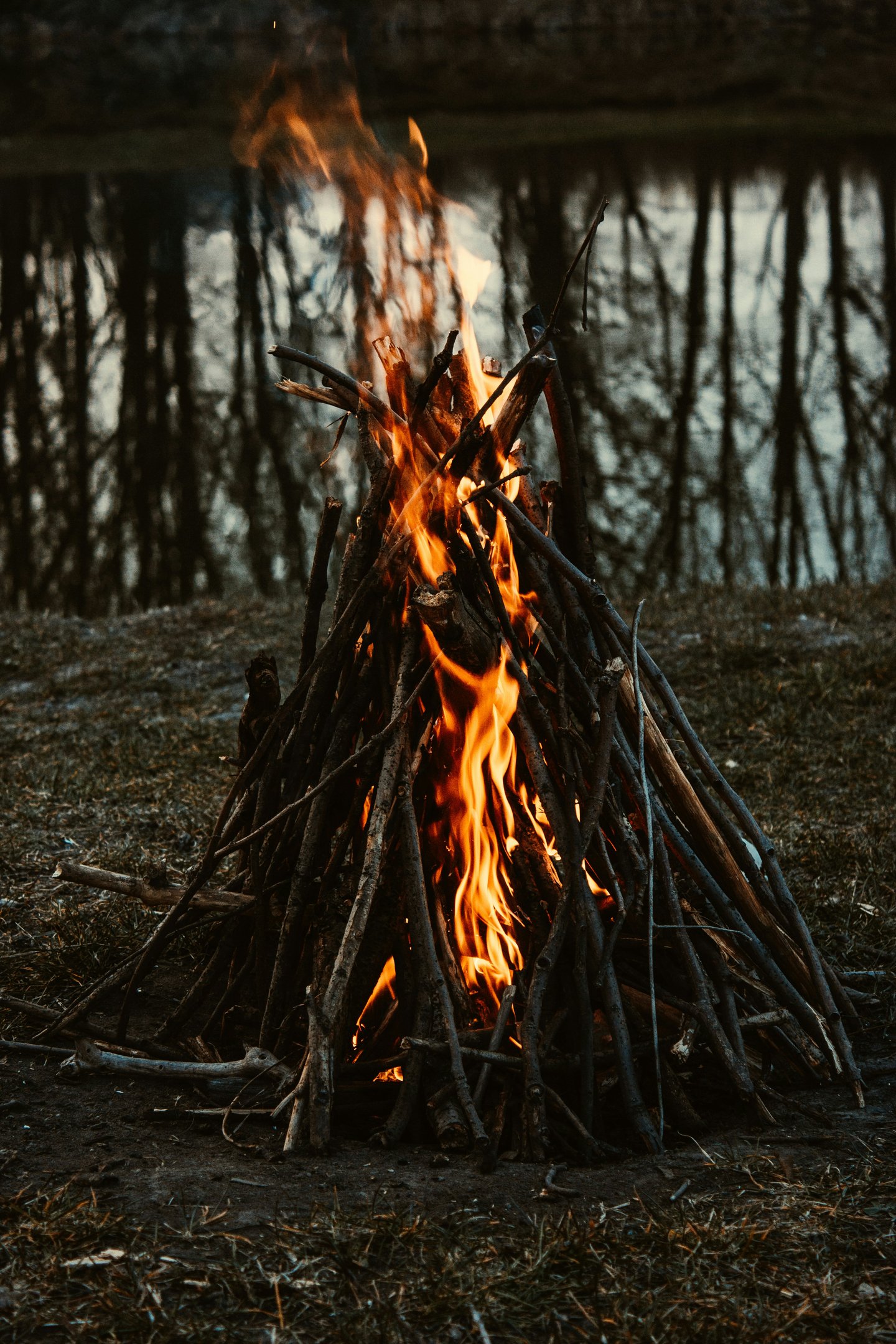
Fires: Bonfires, fire jumping, fire gazing, smoke cleansing, candle spells.
Divination: Notice the weather and the animals on Imbolc day.
Arts & Crafts: Write poetry, make a Brigid's cross or doll, channel inspiration through creative outlets.
Decoration: Decorate your home and altar with seasonal items corresponding with Imbolc.
Dress & Adorn: Dress yourself with colours and jewelry corresponding with Imbolc.
Feasting: Make a special meal and have a feast.
Nature Walks: Go for a walk in nature and notice any subtle signs of life beginning to awaken.
Spring Cleaning: Clean and organize your space to make room for the growing seasons abundance.
Gardening: Plant some seeds, tend to houseplants, and plan your garden for the coming season.
Blessings: Say a blessing to Brigid and to the land.
Meditation: Meditate on the themes and energies of Imbolc and the coming season.
Footprints of Brigid
On Brigid's Eve, women would level the ashes in the hearth and check in the morning for marks or "footprints" of Brigid, indicated that she had visited and blessed the home.
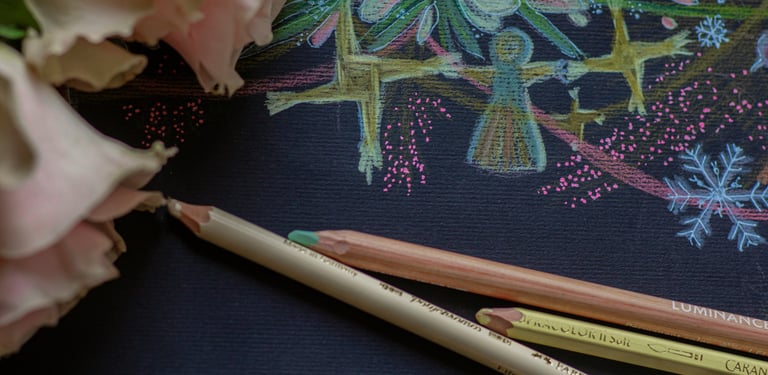




About the Author
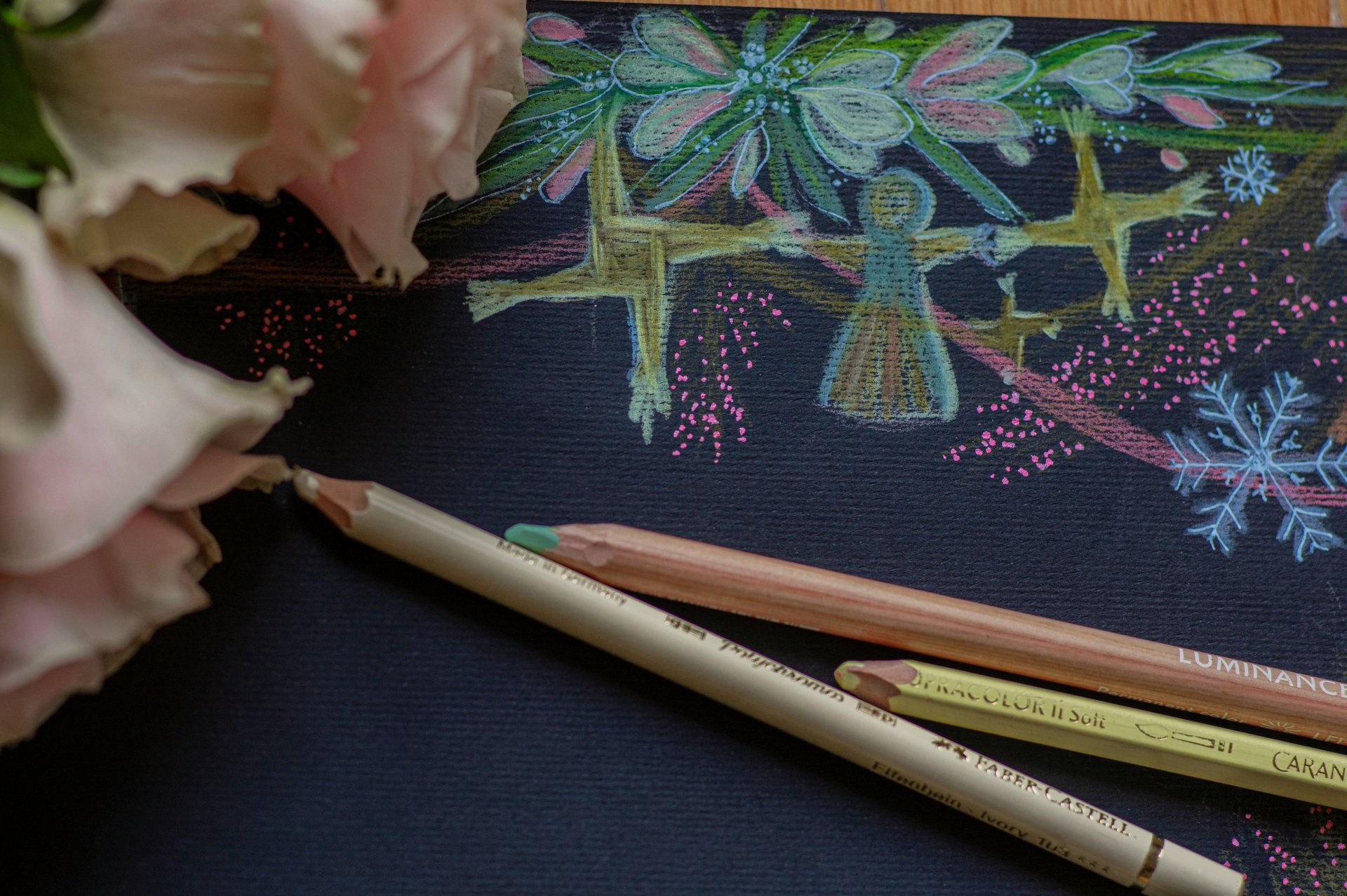
Emily is an artist, author, creator, and witch sharing her passion for witchcraft, paganism, spirituality and the occult through her creativity; whether it's writing, design, videos, art or craft, she loves to create and share pieces of her journey through the arts.